Why do we throw away clothes that can be repaired?
Why do we throw away clothes that can be repaired?
A small hole in the elbow. A thin tear at the pocket. A cracked seam that's barely visible. Yet the garment ends up at the back of the closet or, worse, in the trash.
But why? When did we stop seeing mending as a natural part of owning clothes?
Today we live in a world where new always feels easier. Faster. Cleaner. Cheaper. At the same time, we know that's not true. For every garment that is thrown away because it has a small damage, we lose something more than fabric. We lose the relationship to what we own.
Wear and tear is not natural, it is learned
Just a few generations ago, mending was a given. People darned socks, patched pants, and mended shirts. It wasn't about trends – it was about respecting resources.
Today we have learned that a hole means the end. Marketing says it's time for something new. Social media shows perfect garments with no signs of wear. The result is that we see wear and tear as failure instead of something natural.
But wear and tear is proof of life. Of movement. Of everyday life.

A hole is not closed, it is a choice
When you discover damage, you are faced with a choice. Throw it away. Or fix it.
Repairing isn't just about saving money. It's about breaking a pattern. It's about saying that a garment can continue to be a part of your life, even though it's no longer perfect.
Perfection is overrated. Character is not.
A discreet repair can be barely visible. A visible patch can be a detail. No matter what choice you make, you have taken control of your consumption.
We throw away more than we think
Every year, huge amounts of textiles are thrown away. Many of them are completely usable, with minimal effort. A hole in a college sweatshirt. A worn knee on jeans. A tear in a shirt.
The problem is not that damage occurs. The problem is that we have forgotten how easy it is to fix it.
And that's where the change begins.

Cooking is an act of respect
When you make a garment, you show respect for the materials, for the work behind the production, and for your own finances. You show that clothes are not consumables but something that accompanies you through everyday life.
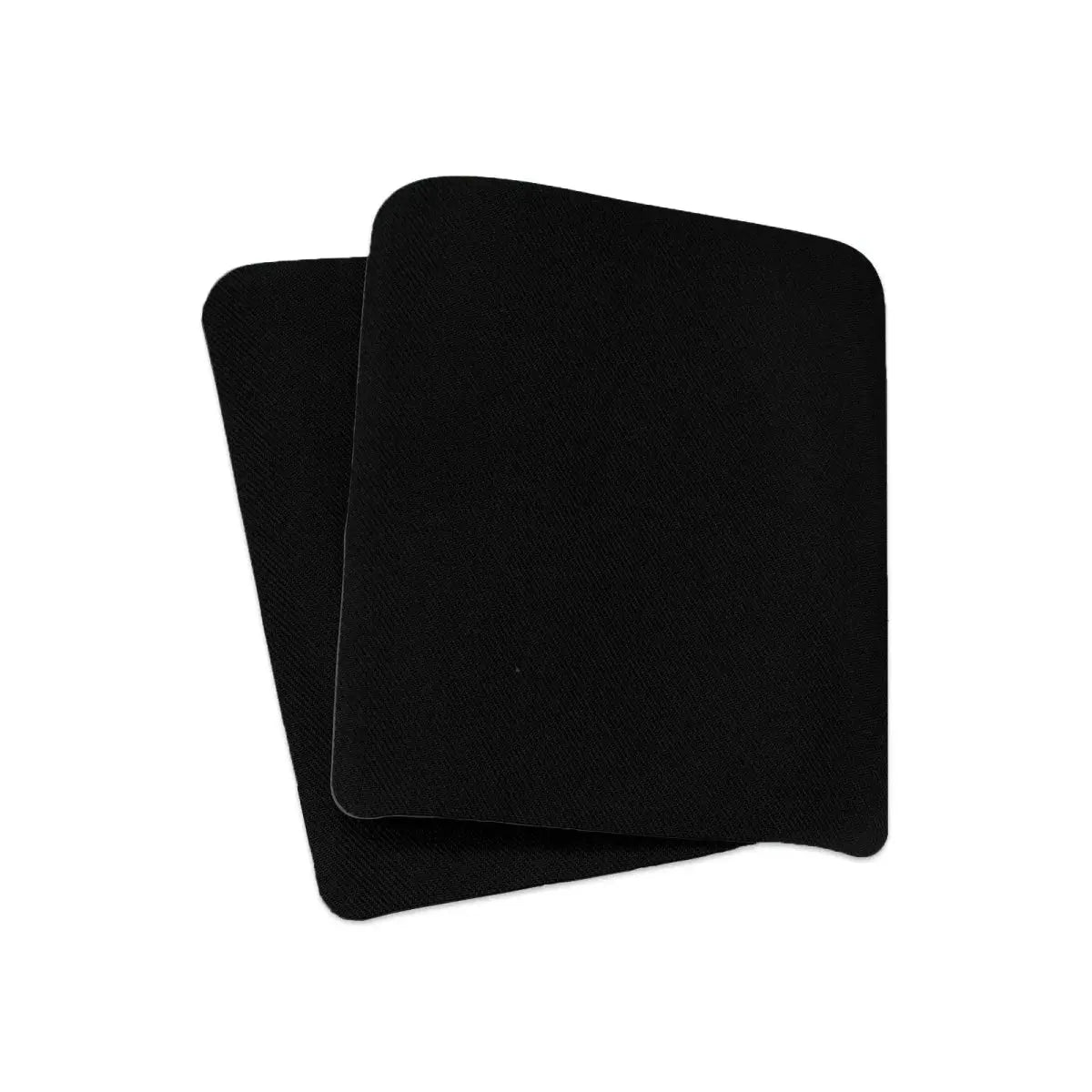
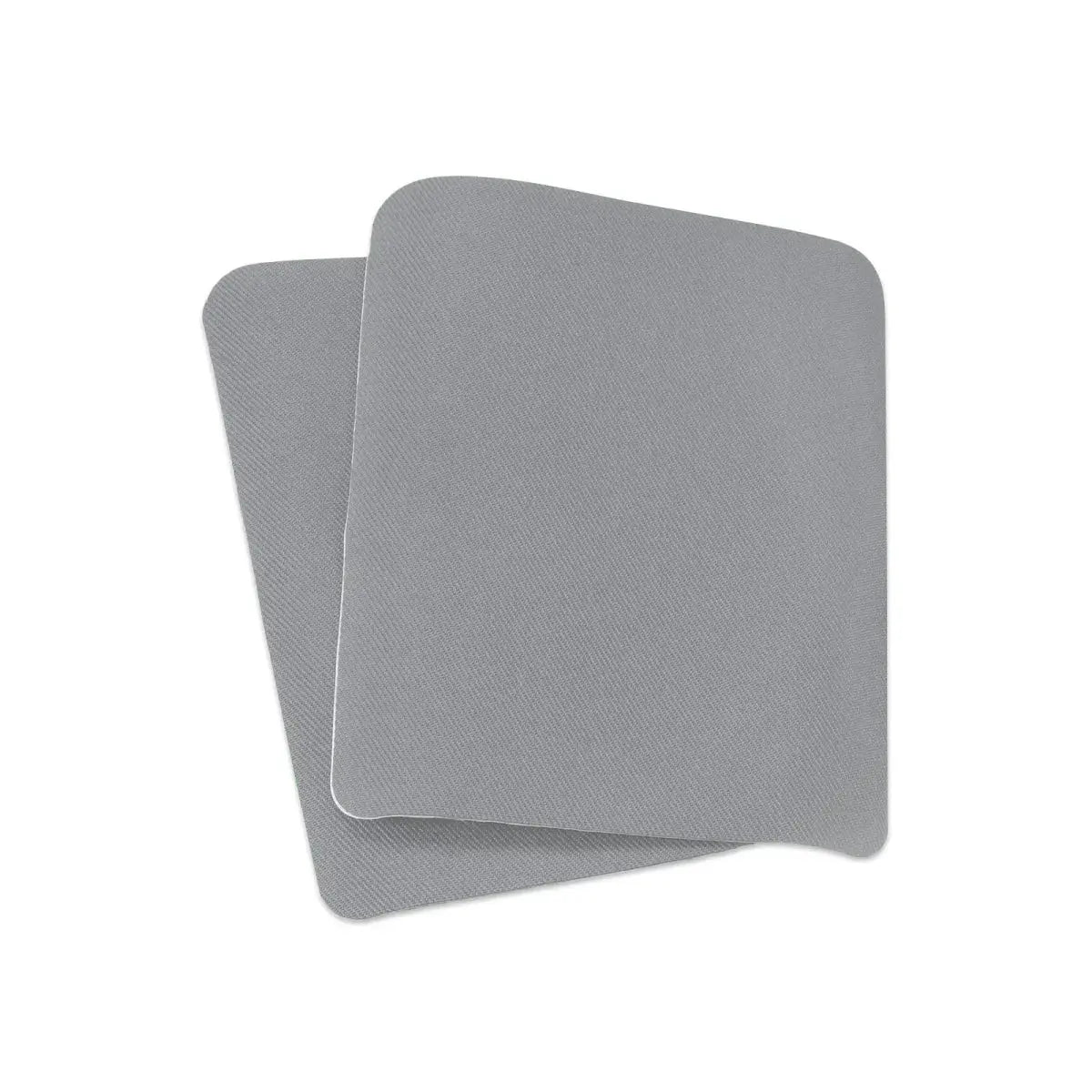
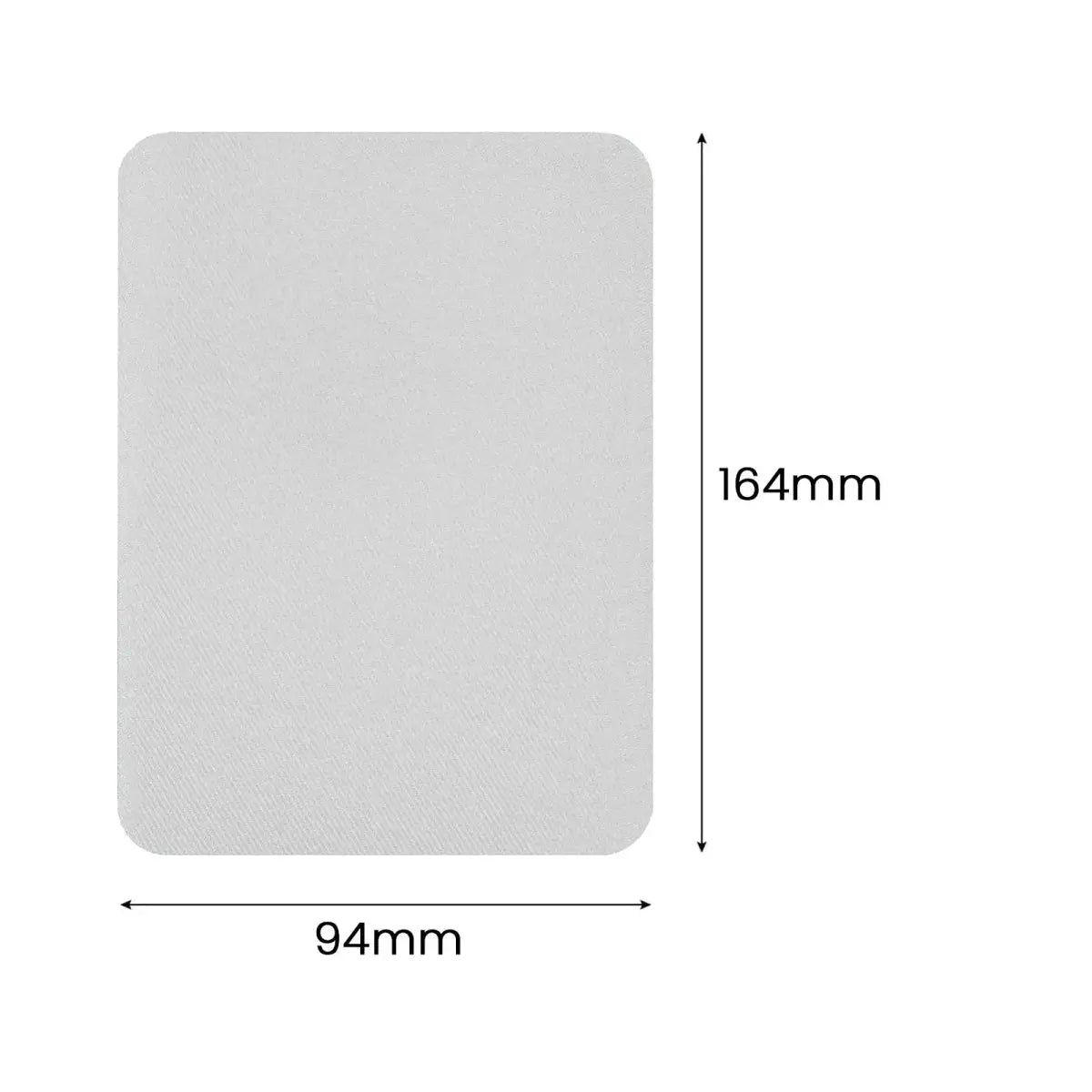
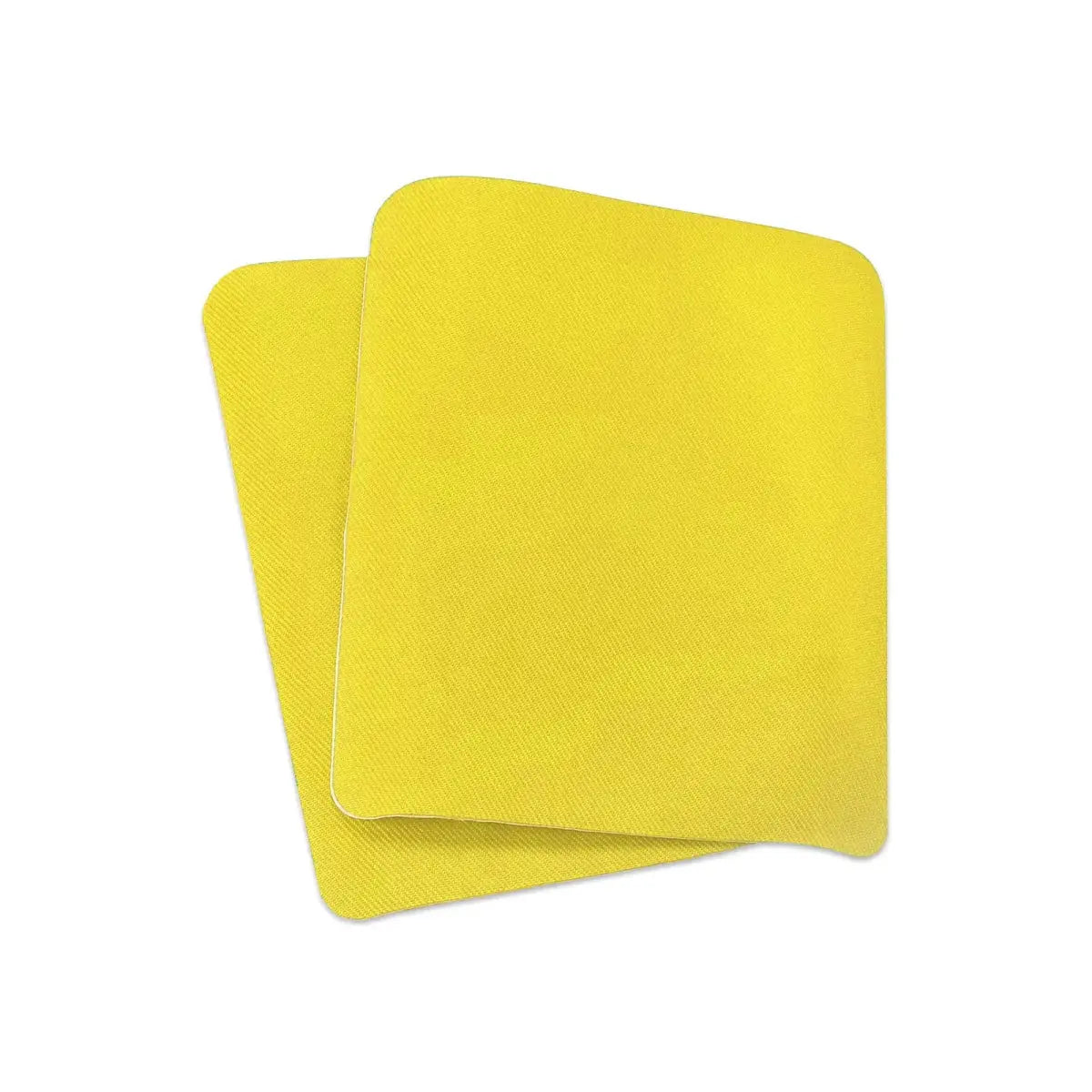
It doesn't have to be difficult. It doesn't have to take a long time. With the right solution, you can mend a garment in minutes, without a needle, without a sewing machine, and without hassle.
The important thing is not how you cook. The important thing is that you choose to do it.
A new relationship with what you own
When you start fixing something changes. You start to see the value in what you already have. You think before you buy new. You feel pride in having fixed something yourself.
The garment does not become less valuable because it has been repaired. Often, on the contrary, it becomes more personal.
That's how sustainability starts. Not with perfection. But with small decisions, every day.

So the next time you see a hole
Stop. Don't see it as the end. See it as a choice.
A choice to repair instead of throw away. A choice to extend instead of replace. A choice to break the pattern.
It is in the small decisions that the big change begins.
We believe in fixing. Not because we have to. But because we can.