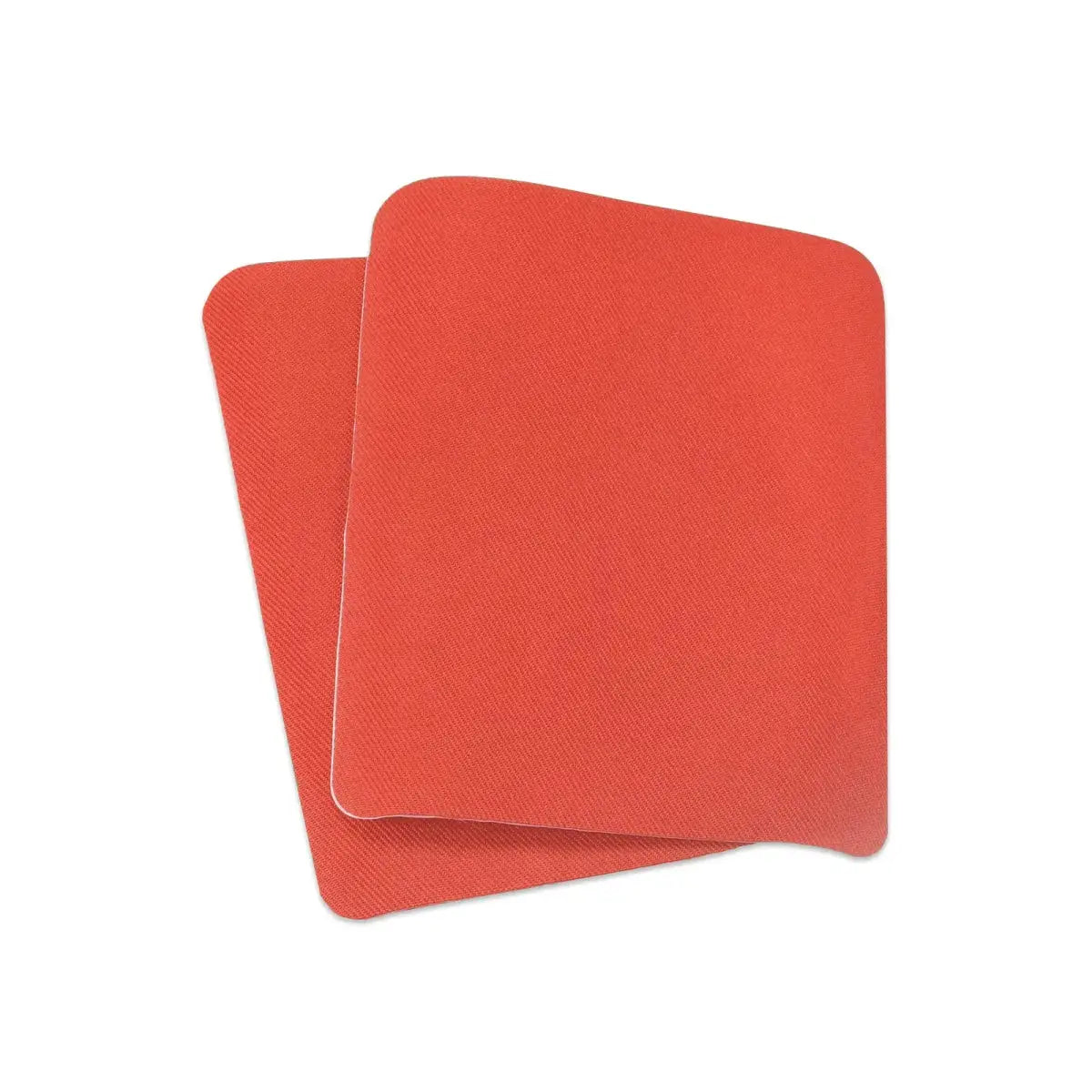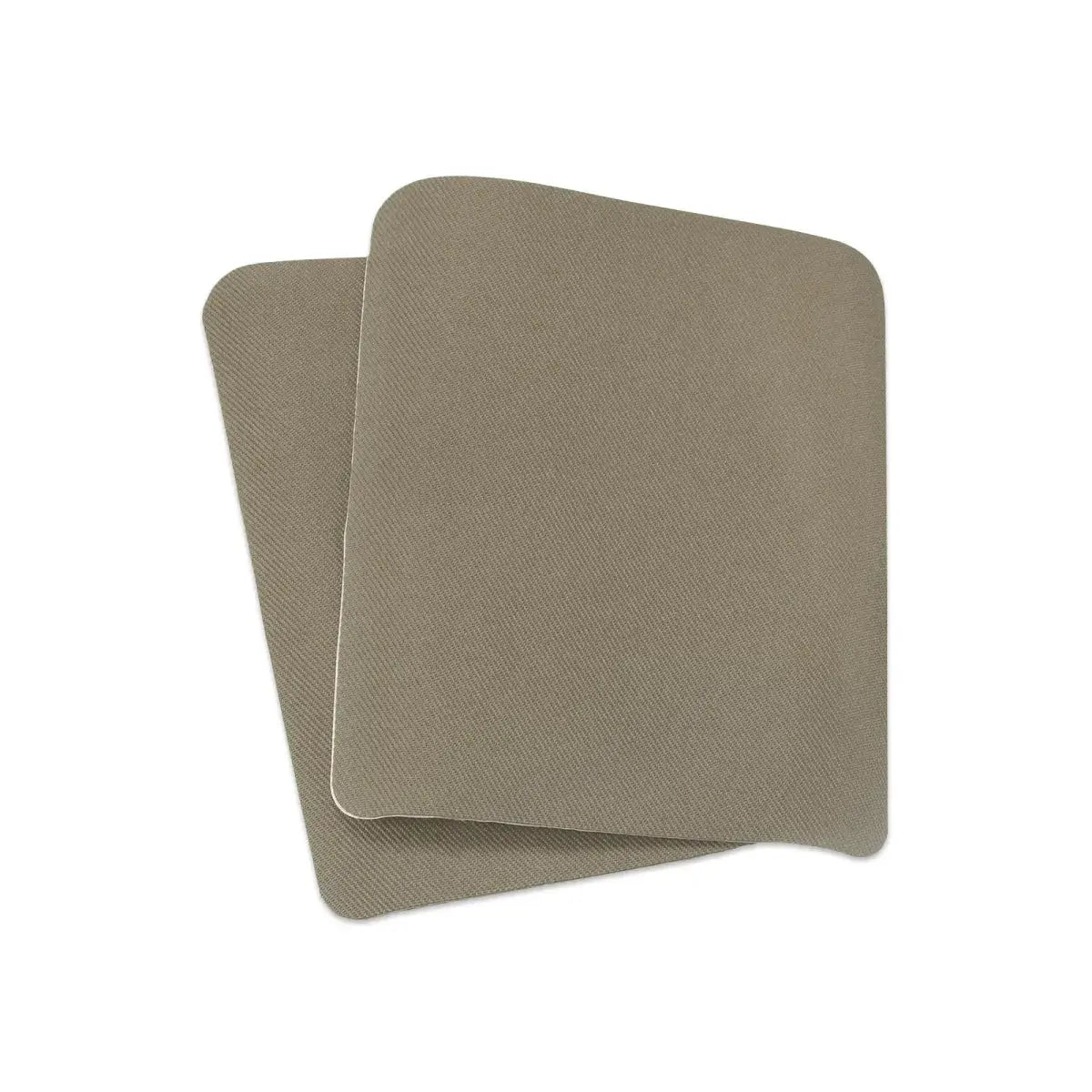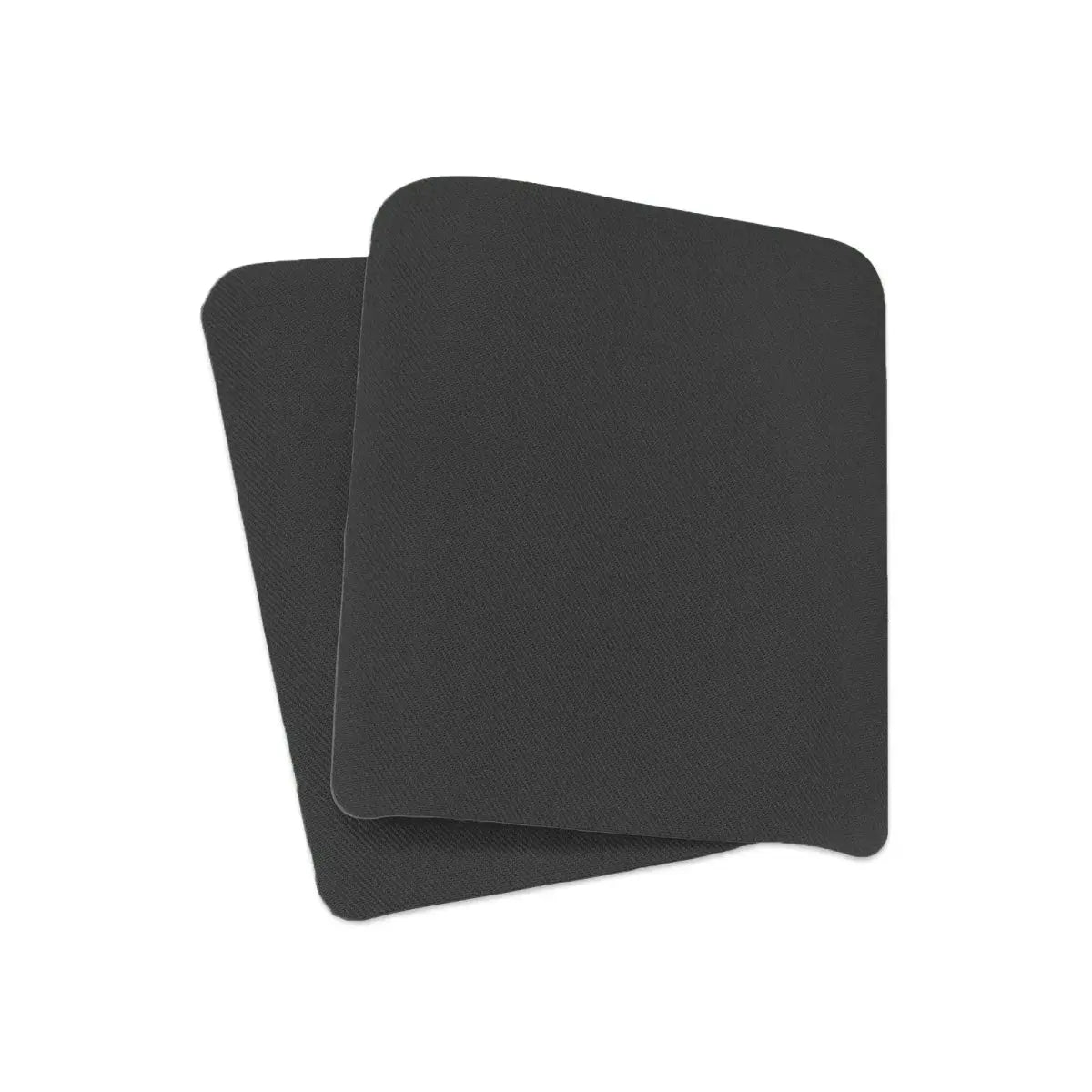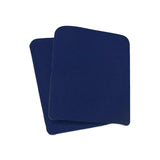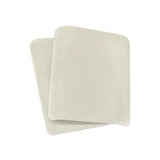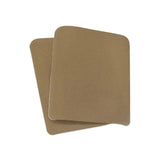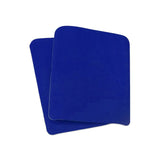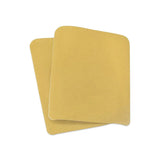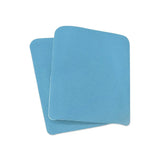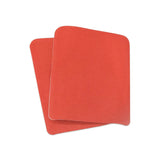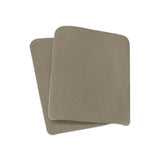
That's why it feels better to repair than to buy new
That's why it feels better to repair than to buy new
There's something strange that happens when a garment breaks. A small hole can suddenly change the way we view it. What was once a favorite suddenly feels less valuable.
But why?
Why have we learned that something that has been damaged is finished? And why does it feel so satisfying when we choose to repair it instead of buying new?
Buying new brings quick rewards
When you buy something new, the reward system in your brain is activated. It feels fresh. Unused. Perfect. For a while.
But the feeling is short-lived. It fades quickly when the garment becomes part of everyday life.
Cooking works differently.
Cooking brings a deeper satisfaction
When you mend a garment, you are doing something active. You are taking responsibility. You are solving a problem. You are preserving something you have already chosen to own.
That feeling lasts longer. It builds pride instead of impulse.
You haven't just consumed. You've created value.

Identity instead of impulse buying
The choice to repair is more than a practical act. It is a decision. You are saying that a garment is not a disposable product. You are saying that small damages do not determine the value.
When you choose to repair clothes instead of buying new, the way you look at your wardrobe changes. You begin to value durability, function, and longevity.
It's not the perfection that matters. It's the story.
Control over consumption
To fix means you break an automatic behavior. You don't let a hole guide you into a buying decision. You take control of the situation.
It creates a sense of independence. You don't have to replace every little flaw. You can fix it.
That control is more valuable than the brief feeling of something new.
Sustainability starts in everyday life
Big changes sound difficult, but sustainability is often about small, recurring choices.
When you cook instead of throwing away, you reduce waste. You extend the lifespan of resources that have already been produced. You reduce the need for new production.
It doesn't require perfection. It requires a decision.

The relationship to what you own changes
A repaired garment is no worse. It's more personal. It has a story that continues instead of being interrupted.
When you start cooking, you notice something unexpected. You think twice before buying new. You see potential where you previously saw the end.
You go from replacing to extending.
Next time you see a hole
Stop. Feel.
Do you really need to buy new? Or is this an opportunity to create more value from what you already have?
Repairing is not retrograde. It is deliberate.
And that's why it feels better.