How to save thousands of dollars by mending your clothes
How to save thousands of dollars by mending your clothes
A hole in a sweater feels small. A tear in a shirt feels annoying. A worn knee on jeans feels like the beginning of the end.
But financially, it's rarely the hole that's the problem. It's the decision that follows.
Replacing instead of repairing costs more than we think. And over time, it's not about hundreds of dollars. It's about thousands of dollars.
Count on a single wardrobe
Let's take a simple example.
A college sweatshirt costs an average of 600 kronor. A pair of jeans 1,000 kronor. A shirt 800 kronor.
If you replace every year:
- 2 shirts
- 1 pair of jeans
- 1 shirt
...due to minor damage or wear and tear, you quickly end up with around SEK 3,000 per year.
Over five years, it is 15,000 kronor.
How much does it cost to fix it instead?
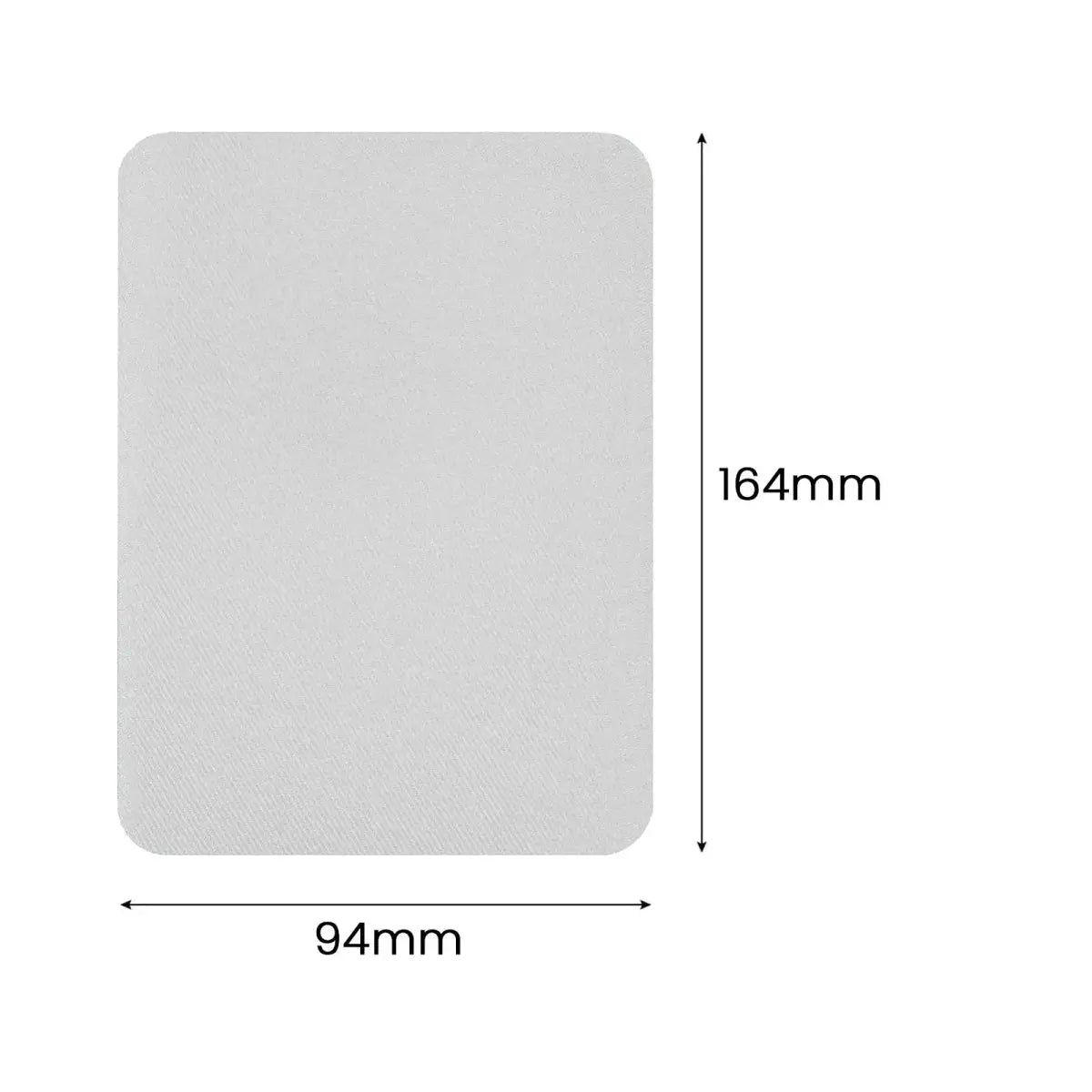
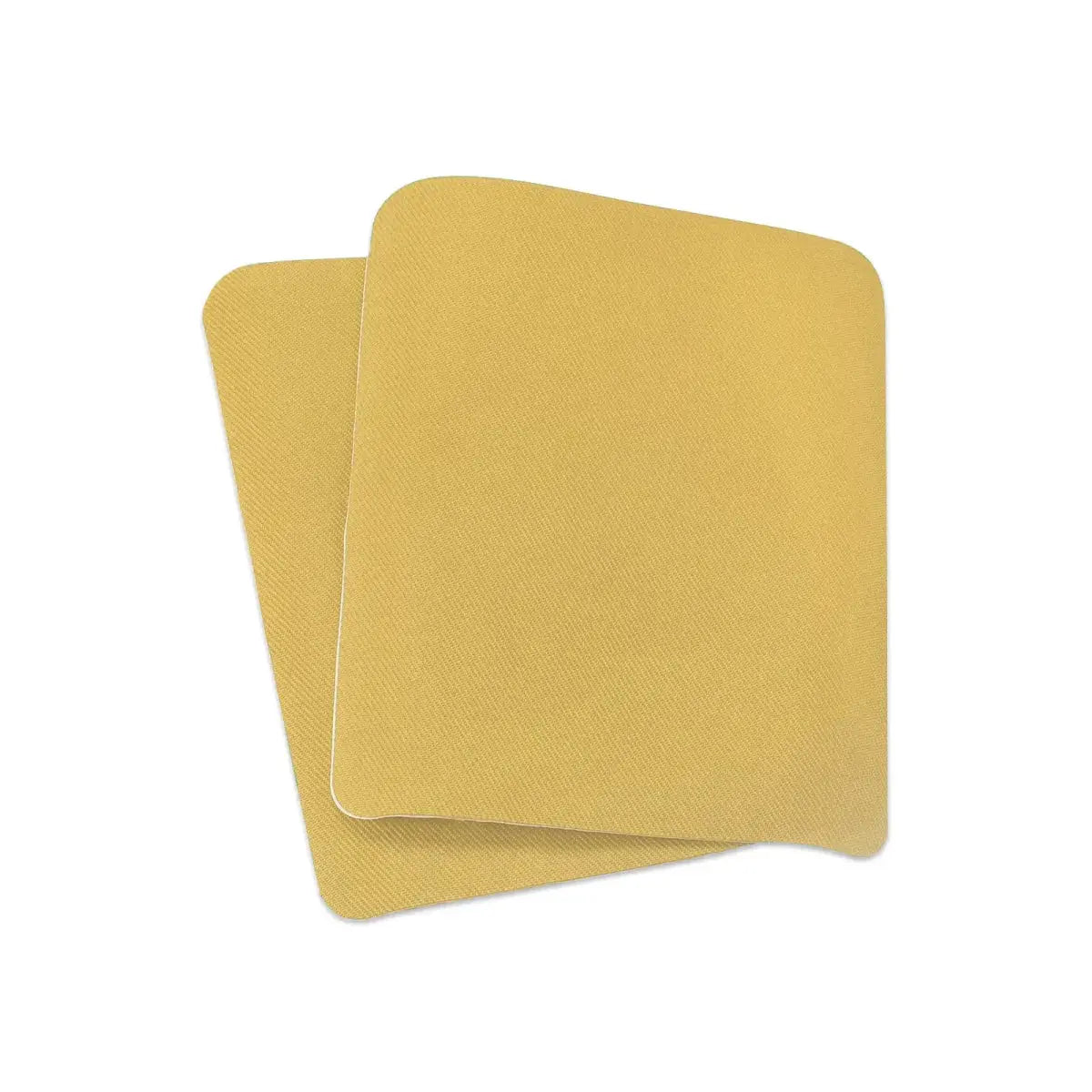
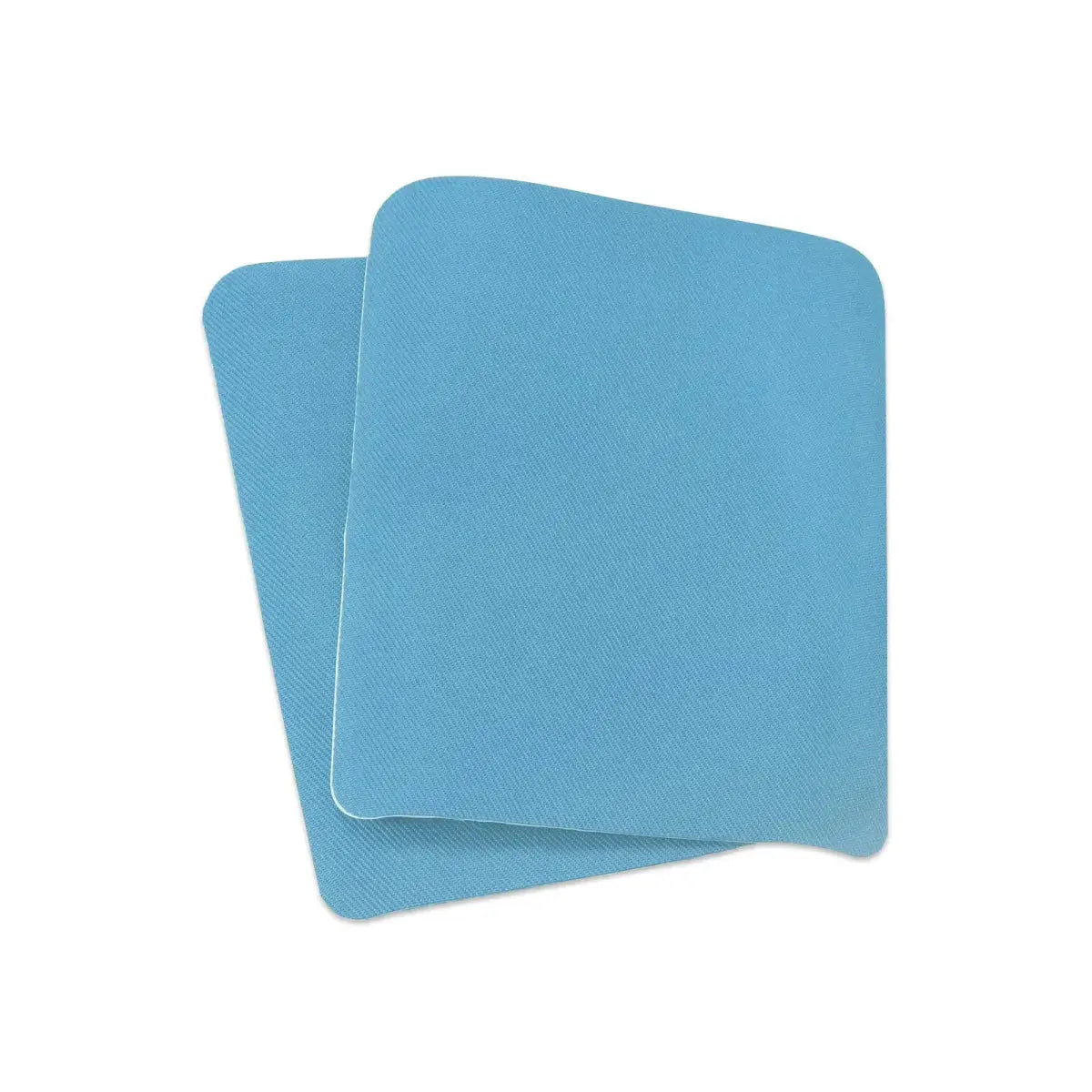
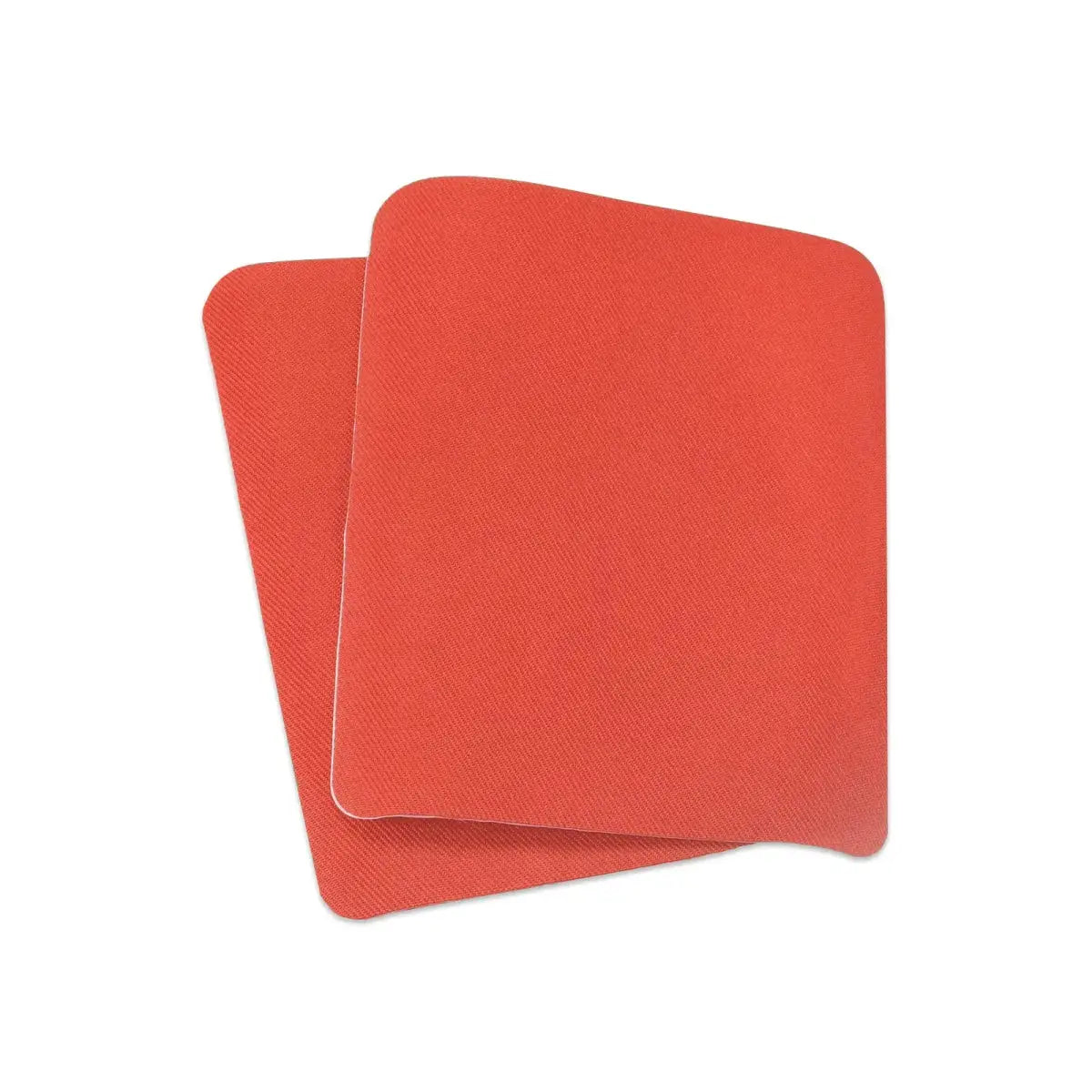
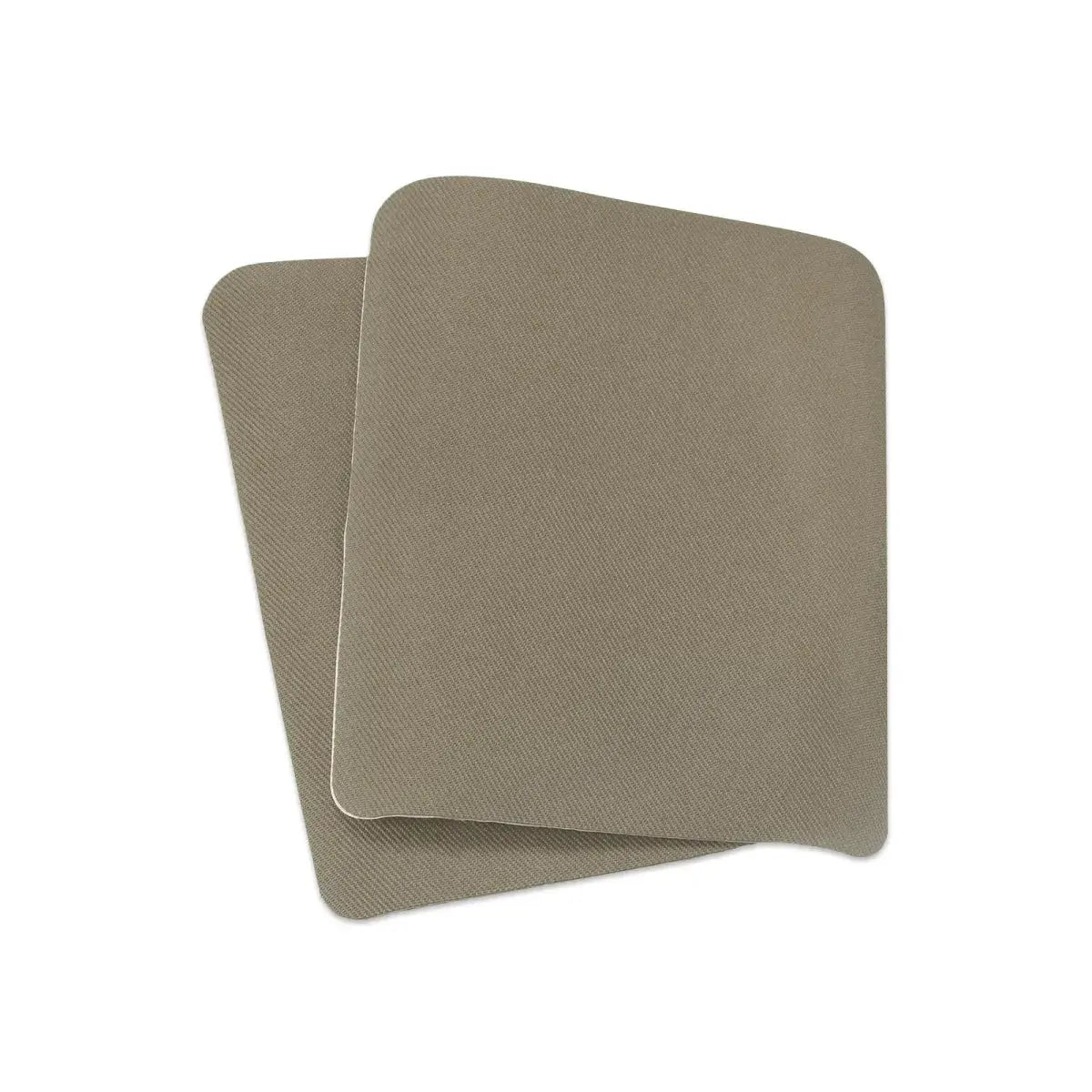
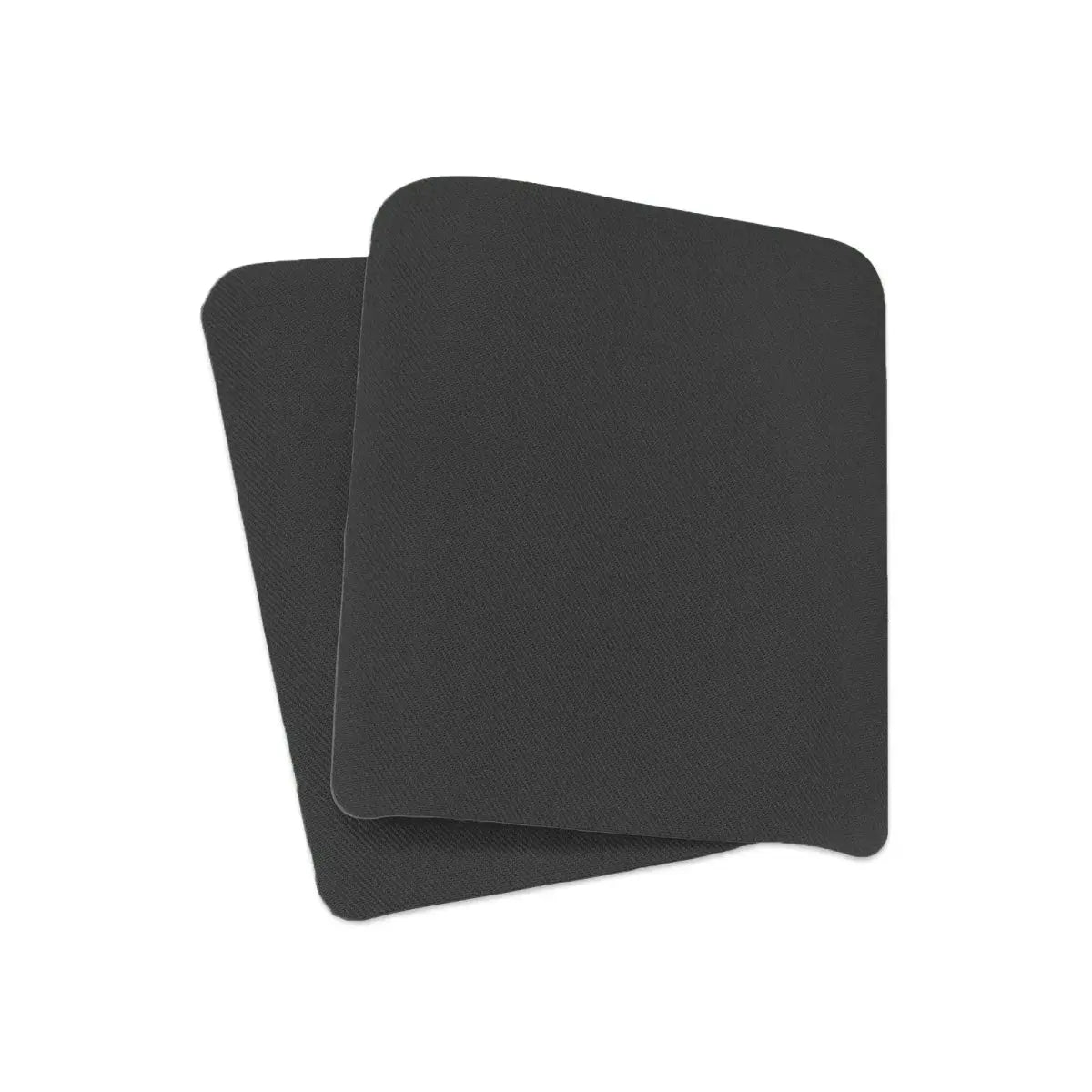
A patch costs a fraction of the cost of a new garment. With a simple repair, you can extend the life of a garment by one or more years.
If you instead repair those four items, the total cost could be just a few hundred kroner.
The difference over five years can be over SEK 10,000.
It's not major damage that costs the most
Most garments are not thrown away because they are completely ruined. They are thrown away because:
- The knee has become thin
- The elbow has a hole.
- The seam has burst.
- The fabric is torn in one place.
Small, local damages lead to big financial decisions.
But small damages are also the easiest to repair.

Cost per use
Economically, it is more relevant to think about cost per use.
If a pair of jeans for 1,000 kronor is used 100 times, they cost 10 kronor per use.
If you cook them and use them 200 times, the cost drops to 5 kronor per use.
You halve the cost without buying anything new.
Children's clothing - the biggest savings
For families with children, the effect is even clearer.
Children often wear out their knees and elbows long before they outgrow their clothes. Replacing instead of repairing can quickly become one of the biggest clothing expenses each year.
By repairing instead of buying new, a family can save several thousand kronor per year – without compromising on function.
Inflation and rising clothing prices
Clothing has become more expensive. Material costs, transportation and production affect the final price.
This means that every garment you extend in lifespan will have an even greater economic impact in the future.
Sewing is not only sustainable. It's a way to future-proof your wardrobe.

The real difference over ten years
If you save SEK 2,000 per year by repairing instead of replacing, that means SEK 20,000 over ten years.
It's a vacation. A savings capital. A buffer.
All based on small decisions when a hole occurs.
The smartest financial decision
Repairing is not just an environmental act. It is a rational economic decision.
You maximize the value of what you already have. You lower the cost per use. You reduce impulse purchases.
And it all starts with you seeing a hole and thinking:
This can be fixed.